
Laparoscopy Center
Advanced Surgery, Minimal Scars
PROMOTING FEMALE HEALTH AT EVERY STAGE
ADVANCING WOMEN’S HEALTH THROUGH LAPAROSCOPIC SURGERY
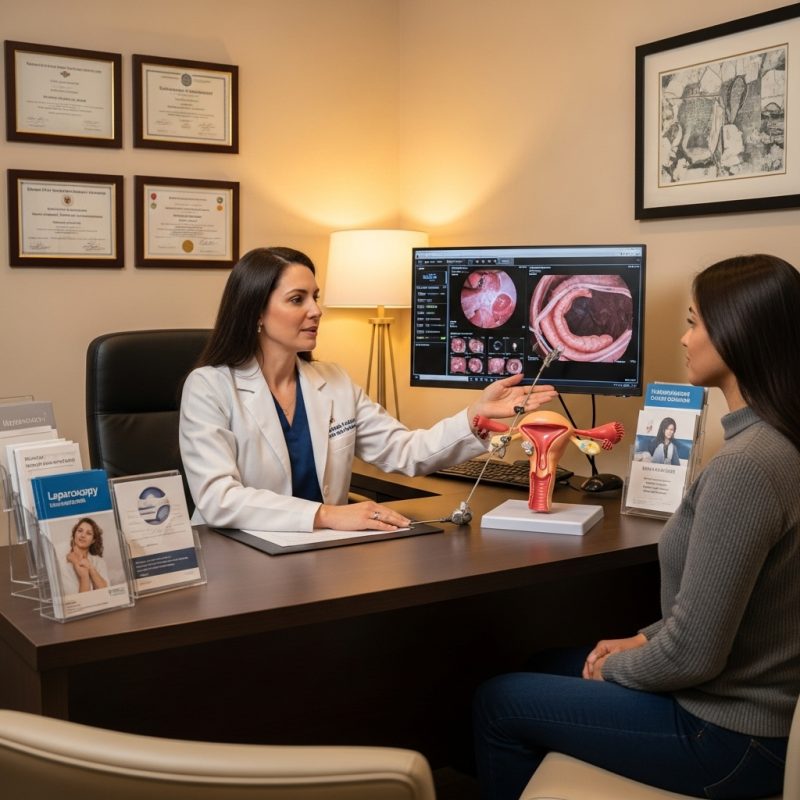
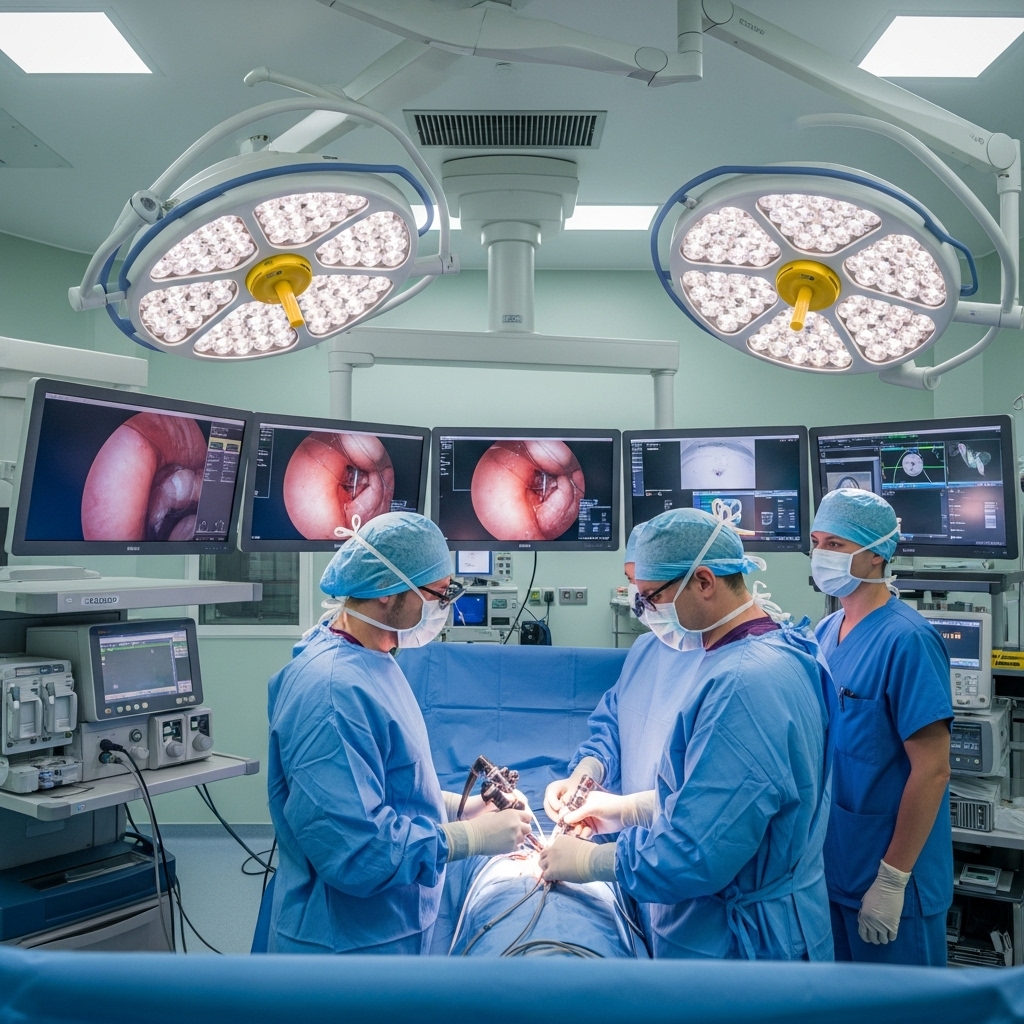
At Matrutva Hospital, we specialize in laparoscopic procedures that offer a modern, minimally invasive approach to diagnosing and treating gynecologic conditions. Laparoscopy, often referred to as keyhole surgery, uses small incisions and a camera-guided technique to access the pelvic organs with precision and care. This method reduces recovery time, minimizes scarring, and enhances surgical outcomes—empowering women to return to their lives with confidence and comfort.
Our expert surgical team is committed to restoring health while preserving fertility and overall well-being. Whether you’re seeking answers for chronic pelvic pain or exploring treatment options for reproductive concerns, we’re here to guide you every step of the way.
What Is Laparoscopy?
Laparoscopy is a surgical technique that allows doctors to view and operate on internal organs using a laparoscope—a thin tube with a high-resolution camera and light. It is performed under general anesthesia and typically involves 2–3 small incisions in the abdomen.
This technique is commonly used for:
- Diagnosing unexplained pelvic pain or infertility
- Treating endometriosis
- Removing ovarian cysts or fibroids
- Performing hysterectomy or tubal ligation
- Evaluating ectopic pregnancies
- Managing adhesions or scar tissue
- Benefits of Laparoscopic Surgery
- Smaller incisions and minimal scarring
- Reduced pain and faster recovery
- Lower risk of infection
- Shorter hospital stay
- Enhanced precision in diagnosis and treatment
- Recovery and Aftercare
Recovery from laparoscopic surgery is typically quicker than traditional open surgery. Most patients can return home the same day or within 24 hours. Mild discomfort, bloating, or fatigue may occur initially, but these symptoms usually resolve within a few days.
Our team provides personalized post-operative care, including:
- Pain management guidance
- Activity and rest recommendations
- Follow-up appointments to monitor healing
- Support for emotional and reproductive health
Frequently Asked Questions
Is laparoscopy safe?
Yes, it is considered a safe and effective procedure with a low complication rate when performed by experienced surgeons.
Will I be able to conceive after laparoscopic surgery?
In many cases, laparoscopy can improve fertility outcomes, especially when treating conditions like endometriosis or ovarian cysts.
How long is the recovery period?
Most patients resume normal activities within 1–2 weeks, depending on the procedure and individual health factors.
Are there any risks?
As with any surgery, risks include bleeding, infection, or reaction to anesthesia. These are rare and minimized through expert care.
How will I feel after treatment?
How an individual feels after a gynecological treatment can vary widely based on several factors, including the type of treatment or procedure, their overall health, and individual sensitivity to medical interventions. In some cases, such as medication-based treatments or the insertion of an intrauterine device (IUD), many women may feel little to no discomfort and can often resume their usual activities immediately. For minimally invasive procedures like hysteroscopy or endometrial ablation, mild discomfort, spotting, and mild cramping may be experienced for a few days to a few weeks post-treatment. Surgical interventions, such as a hysterectomy, generally entail a more extended recovery period marked by varying levels of pain or discomfort, potentially necessitating several weeks or months for a full return to regular activities.
Make an Appointment
How this works?
- Register by filling out the form
- Book an appointment
- Consultation with a doctor
- We will offer diagnostic services if required
- Pay online or at the clinic